Polski


 System montażu naziemnego
 system mocowania na dachu
 System mocowania wiaty garażowej
 system mocowania farmy
 Easy Solar Kit
 system śledzenia słonecznego
 Falownik słoneczny
 Akcesoria słoneczne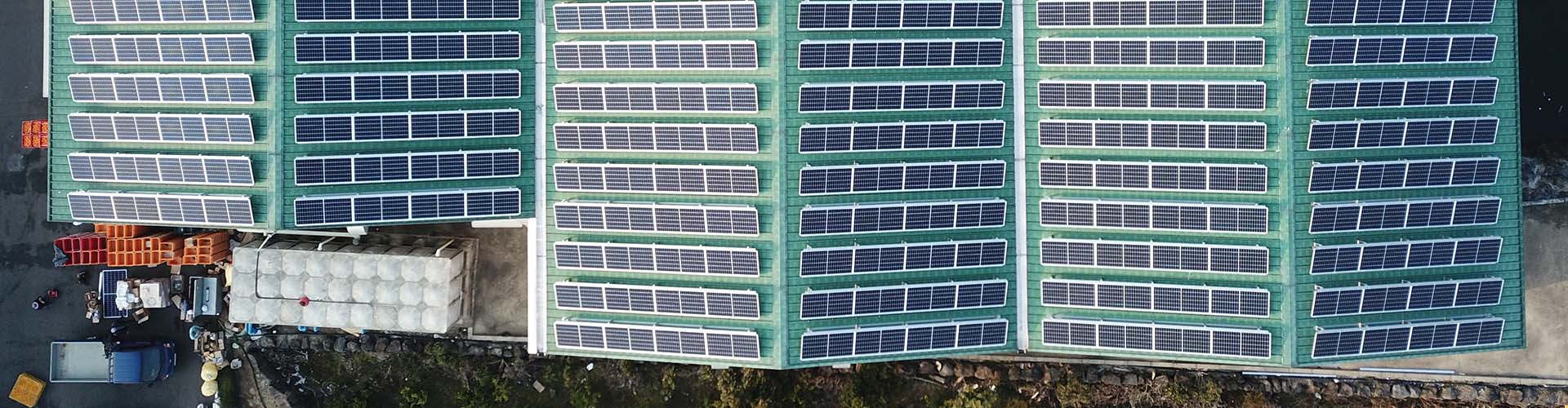
Solar brackets are not just "support brackets"! Choosing the right bracket can ensure 25 years of stability for photovoltaic power plants
What is the use of solar brackets? Three core values
Solar bracket is a structural system specifically designed to fix and support solar photovoltaic modules. Although it may seem simple, it plays three irreplaceable core roles and is indispensable.
The self weight of photovoltaic panels is not light, and in addition to the natural external forces such as strong wind, heavy snow, rainstorm and earthquake, there is no reliable support fixation, which is easy to cause problems such as component deviation, looseness and falling off. High quality brackets can evenly distribute the weight of equipment and external loads, firmly fix the photovoltaic array, avoid safety hazards such as equipment damage and high-altitude falls, and ensure the long-term stable operation of the power station.
The core of solar power generation is to maximize the reception of light, and the tilt angle and installation orientation of the bracket directly determine the light receiving area of the photovoltaic panel. Professional brackets can adjust the tilt angle according to the latitude and sunshine pattern of the installation area, ensuring that the photovoltaic panels are in the best light receiving state throughout the year, effectively increasing the overall power generation and avoiding power generation losses caused by angle deviations.
Different installation environments have vastly different requirements for the structure, corrosion resistance, and height of the bracket. The bracket system adapted to the scene can effectively avoid problems such as water accumulation, snow accumulation, corrosion and aging, protect photovoltaic modules and supporting accessories, and ensure the smooth operation of the entire photovoltaic power station for more than 25 years, significantly reducing later operation and maintenance costs.
According to installation scenarios, structural forms, and functional differences, the mainstream solar brackets on the market are divided into four categories, covering all scenario requirements such as household roofs, industrial and commercial plants, outdoor floors, and complex terrains.
This is the most common type of bracket, suitable for most building scenarios such as color steel tile roofs, concrete roofs, villa roofs, etc. Adopting lightweight modular design, easy installation, controllable cost, strong stability, factory preset optimal tilt angle, no need for complex debugging, almost zero maintenance in the later stage, suitable for urban and rural rooftop photovoltaic projects with stable lighting conditions, and also the mainstream choice for household photovoltaic power generation. The disadvantage is that the angle is fixed and cannot be adjusted according to changes in sunlight. The power generation efficiency is relatively stable but the upper limit is limited.
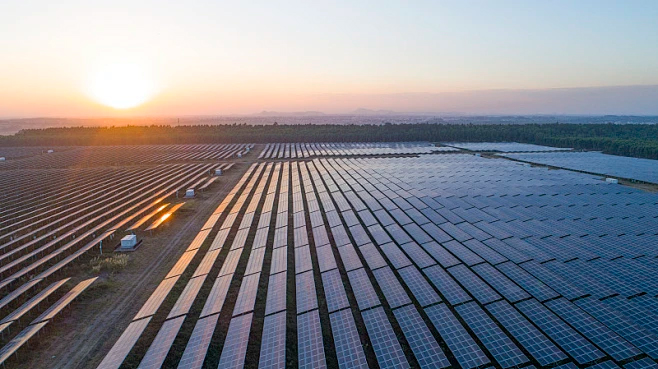
It is commonly used in open outdoor areas such as wastelands, farmland, and mountains. The overall structure is sturdy and has strong load-bearing capacity, which can cope with complex outdoor environments. Support multi row and large-area photovoltaic array layout, suitable for large centralized photovoltaic power stations. At the same time, the installation height and spacing can be adjusted according to the terrain, taking into account the needs of ventilation, drainage, and vegetation growth, making it highly versatile.
Kategorie
Nowy blog
Zapytania dotyczące naszych produktów lub cennika prosimy kierować do nas, a skontaktujemy się z nami w ciągu 24 godzin.
 RM502, Sihai Smart Zone, No.189, Fanghu West Road, Huli District, Xiamen, Fujian, China.



© prawa autorskie: 2026 Xiamen Wintop New Energy Tech Co., Ltd.. Wszelkie prawa zastrzeżone.

Obsługiwana sieć IPv6